 WeightLogicHub
Protein Turnover and Amino Acid Roles
Understanding protein dynamics and amino acid utilization
Protein Structure and Amino Acids
Proteins are polymers of amino acids, organic compounds containing an amino group (-NH₂), a carboxyl group (-COOH), and a side chain attached to a central carbon. Twenty standard amino acids are incorporated into human proteins. Amino acids are classified as essential (cannot be synthesized by the body and must be obtained from diet), non-essential (the body can synthesize them), and conditionally essential (normally non-essential but essential during periods of stress or illness).
Protein structure is determined by the sequence of amino acids; different arrangements create proteins with vastly different properties and functions. Proteins fold into complex three-dimensional structures that determine their biological activity.
Protein Digestion
Protein digestion begins in the stomach with pepsin, a protease enzyme that breaks peptide bonds in proteins, producing smaller peptide fragments. Gastric acid provides the acidic environment necessary for pepsin activity. When partially digested proteins enter the small intestine, pancreatic proteases (trypsin, chymotrypsin, carboxypeptidases) continue breaking down proteins into increasingly smaller peptides and individual amino acids.
Intestinal epithelial cells possess amino acid transporters that absorb amino acids and small peptides. Individual amino acids are transported across the intestinal epithelium and enter the bloodstream. The amino acid composition of the bloodstream reflects dietary protein composition and tissues' metabolic demands for specific amino acids.
Amino Acid Metabolism
Absorbed amino acids are distributed throughout the body and utilized for protein synthesis, production of nitrogen-containing compounds (neurotransmitters, nucleotides, heme), or oxidation for energy. Unlike carbohydrates and fats, amino acids cannot be stored; excess amino acids are converted to other molecules or oxidized for energy.
Protein synthesis occurs on ribosomes, where amino acids are sequentially added to growing protein chains based on instructions from messenger RNA. Protein synthesis requires energy (ATP) and is the primary fate of amino acids in fed states. The rate of protein synthesis is influenced by nutrient availability, hormonal status (particularly insulin, growth hormone, and IGF-1), physical activity, and age.
Transamination transfers the amino group from amino acids to other molecules, allowing the carbon skeleton to be utilized for energy or conversion to other compounds. The nitrogen group is eventually converted to urea in the liver through the urea cycle, which is excreted in urine. This process is essential for removing excess nitrogen from the body.
Protein Turnover
Protein synthesis and protein breakdown (proteolysis) occur continuously throughout life. The body synthesizes approximately 300 grams of protein daily while simultaneously breaking down approximately 300 grams. This continuous turnover allows the body to replace damaged or aged proteins and adapt protein composition to meet changing physiological demands.
Muscle protein turnover reflects the balance between muscle protein synthesis and breakdown. During fed states and after resistance training, muscle protein synthesis exceeds breakdown, leading to net protein accumulation. During fasting or inactivity, breakdown exceeds synthesis, leading to net protein loss.
Nitrogen balance refers to the relationship between dietary nitrogen intake (primarily from protein) and urinary nitrogen excretion. Positive nitrogen balance (intake exceeds excretion) indicates net protein accumulation. Negative nitrogen balance (excretion exceeds intake) indicates net protein loss. Neutral nitrogen balance (equilibrium) reflects steady-state protein turnover.
Amino Acid Functions Beyond Protein Synthesis
Neurotransmitter synthesis - Amino acids serve as precursors for neurotransmitters: tryptophan for serotonin, tyrosine for dopamine and norepinephrine, glutamate and GABA for inhibitory/excitatory signaling, and others.
Nucleotide synthesis - Amino acids provide nitrogen and carbon skeletons for synthesis of nucleotides, the building blocks of DNA and RNA.
Creatine synthesis - Arginine, glycine, and methionine are utilized for creatine synthesis, essential for energy metabolism in muscle and brain.
Immune function - Amino acids are required for synthesis of immunoglobulins (antibodies) and immune cells. Leucine in particular influences immune cell function and inflammation.
Hormone synthesis - Amino acids serve as precursors for hormone synthesis including epinephrine, thyroxine, and others.
Antioxidant synthesis - Cysteine is utilized for synthesis of glutathione, a critical antioxidant protecting cells from oxidative damage.
Branched-Chain Amino Acids
Leucine, isoleucine, and valine (branched-chain amino acids) are metabolized primarily in muscle rather than the liver. Leucine particularly serves as a signaling molecule for muscle protein synthesis, activating the mTORC1 pathway that stimulates translation of mRNA into protein. This signaling role makes leucine metabolically distinct from other amino acids.
Protein Quality and Completeness
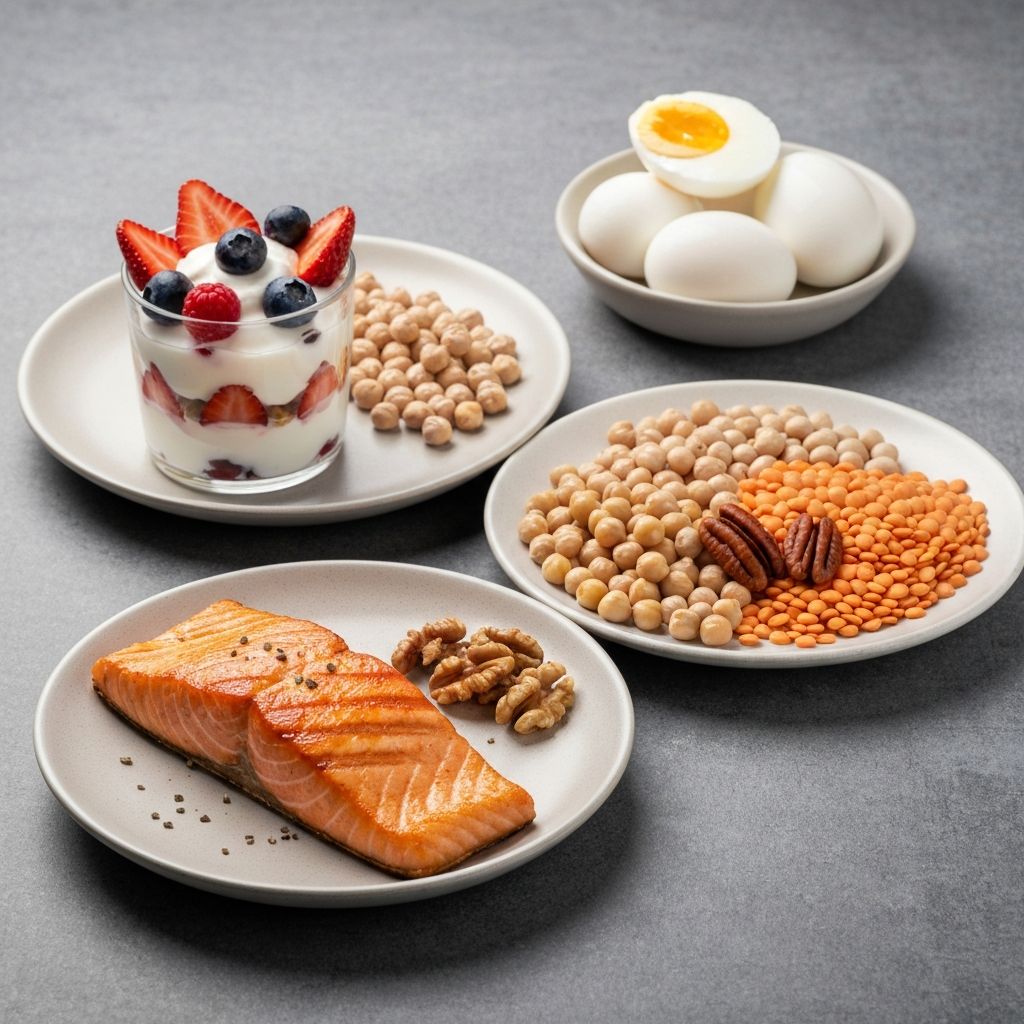
Protein quality reflects the composition of amino acids, particularly the content of essential amino acids, and the digestibility of the protein. Complete proteins contain all nine essential amino acids in adequate amounts; animal proteins are typically complete. Plant proteins vary in amino acid composition; some are lower in specific essential amino acids. Consuming varied plant proteins throughout the day can provide all essential amino acids.
Educational Information
Educational content only. No promises of outcomes. This article explains protein metabolism and amino acid utilization. Information is provided for educational purposes only and does not constitute personal dietary or health advice. Individual protein requirements and metabolic responses vary based on genetics, age, activity level, and health status.